This guide provides a practical B2B decision framework. Final specifications, market obligations, testing scope, labels, packaging and shipment requirements must be confirmed for the exact finished SKU and destination.
Introduction
Direct answer: Choose white label when a standard LCD writing tablet and basic presentation meet the channel need. Choose private label when a proven platform needs controlled branding, packaging, or accessory changes. Consider ODM only when a documented product application requires a meaningful design change that a standard platform cannot provide. Each route needs a different brief, sample path, quality plan, and launch schedule.
The terms are often used loosely. For a buyer, the important question is not the label—it is what changes from an existing approved product and who must validate each change. A logo, frame color, carton mark, activity card, or gift box can be a manageable private-label modification. A new housing, screen architecture, control layout, or integrated function can be a deeper development project.
1. Compare the three routes
| Route | Typical starting point | Buyer focus | Main control need |
|---|---|---|---|
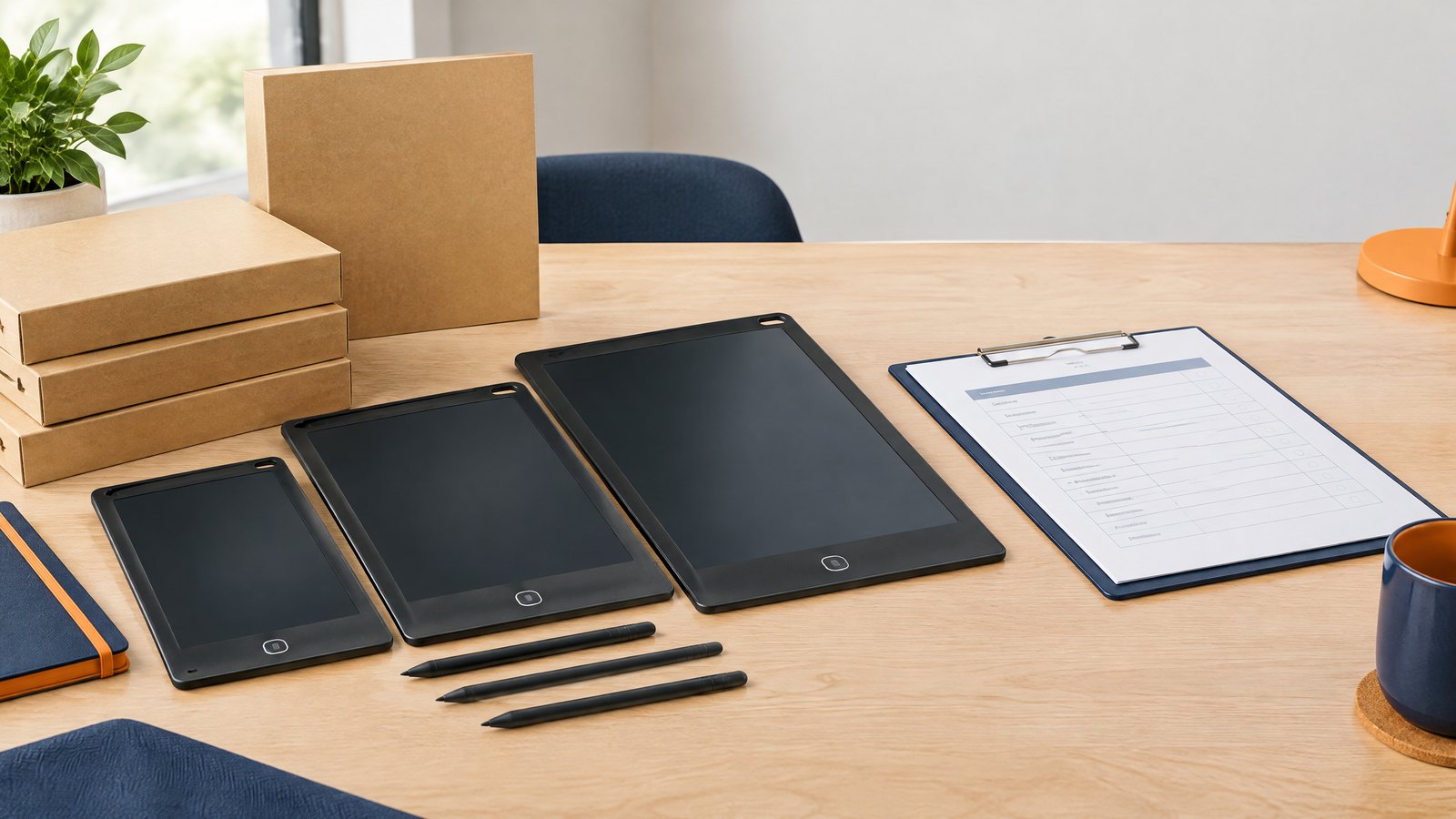
| White label | Standard existing model | Channel fit, pack, quantity, delivery | Confirm actual model and market fit |
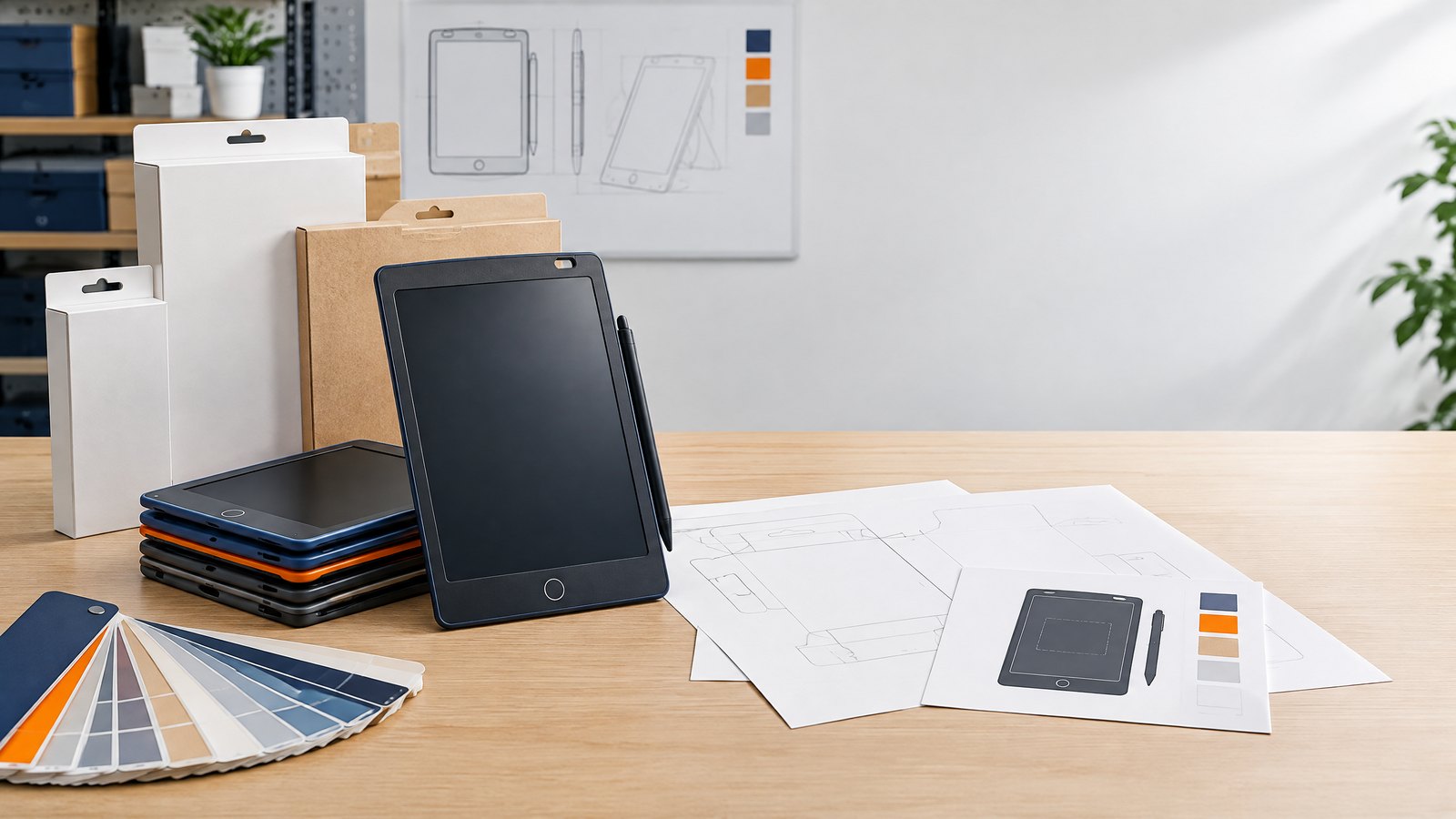
| Private label | Proven platform with controlled branding or pack | Logo, color, packaging, accessories, listing | Approve complete branded sample |
| ODM | Modified/new product direction | Product application, engineering, tooling, validation | Define requirements and change control |
White label does not mean no work. The buyer still needs to confirm the final model, product description, pack contents, target market, carton information, and inspection plan. Private label does not make every feature unique; it often works best when it limits changes to those that create useful differentiation. ODM should be justified by customer requirements, not by a desire to add complexity.
2. Start with a product application, not a customization wish list
Direct answer: Write what the user will do with the product before deciding whether customization is necessary. A product task reveals which changes are valuable and which create only approval and inventory risk.
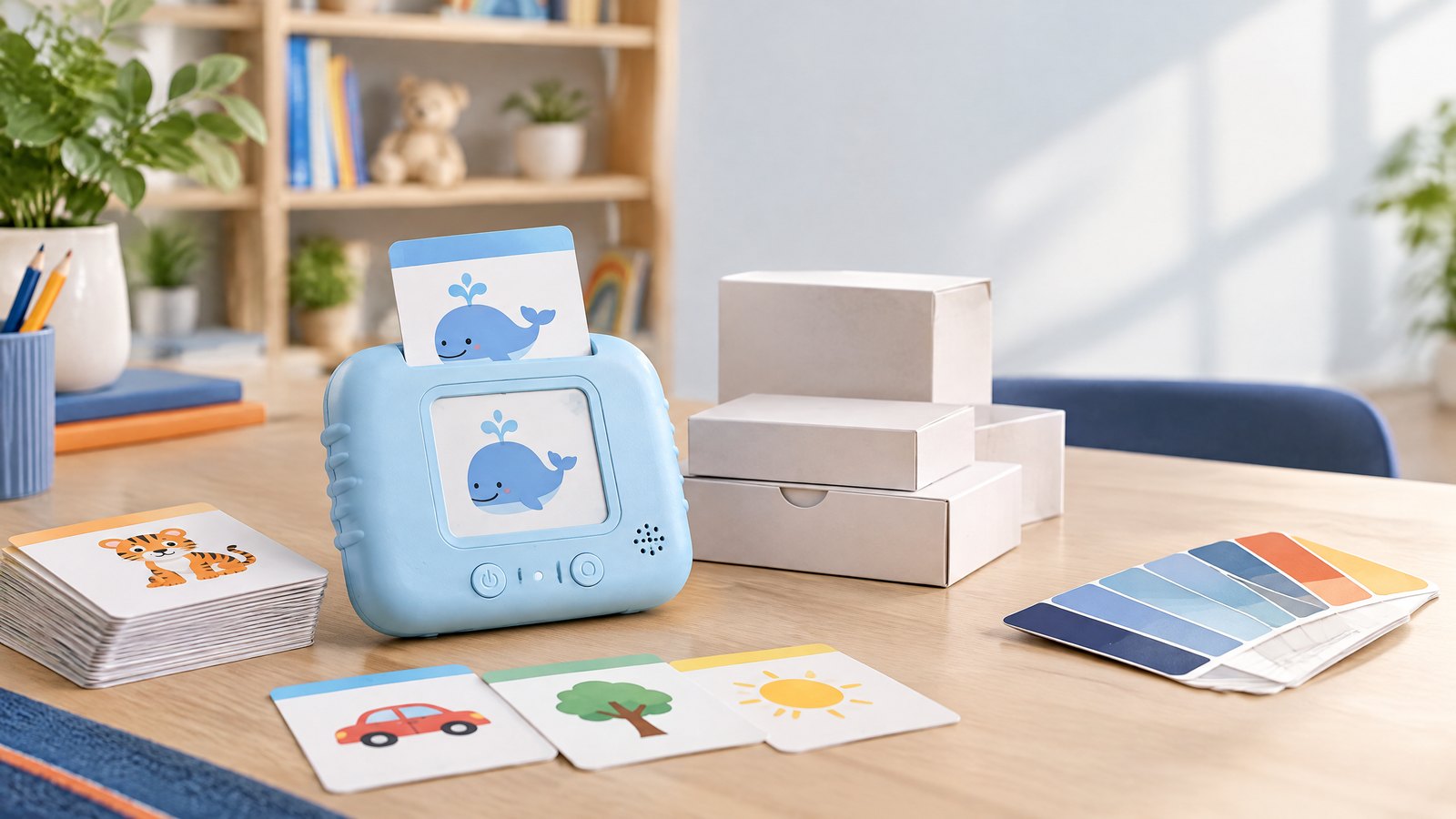
A travel activity board may need a compact standard format, useful stylus retention, and a branded sleeve. A retailer may need a clear color box and barcode. A tracing program may need a transparent screen/card relationship. A counter-sign program may need a stable stand. Each is a different application, and not all need a new mold.
For a general product-selection framework, see the wholesale buyer guide. It helps distinguish a core use requirement from a visual preference.
3. Build the right sample-approval path
For white label, approve the exact standard model, its accessories, individual pack, instructions, and carton details. For private label, approve the complete configured unit: frame color, logo, stylus, packaging, insert, labels, barcode, and current content. For ODM, add drawings, functional requirements, materials, user testing, prototype revisions, and a written change process.
Do not photograph or print a final listing from an early prototype if the production configuration is still changing. The product listing guide explains how content should remain tied to the approved sample.
Mid-article CTA
Choosing a sourcing route for an LCD writing tablet program? Send your requirements with product application, market, quantity, desired changes, packaging, and launch window. We can help identify whether a standard, private-label, or deeper development route is appropriate.
4. Carry the route into testing and inspection
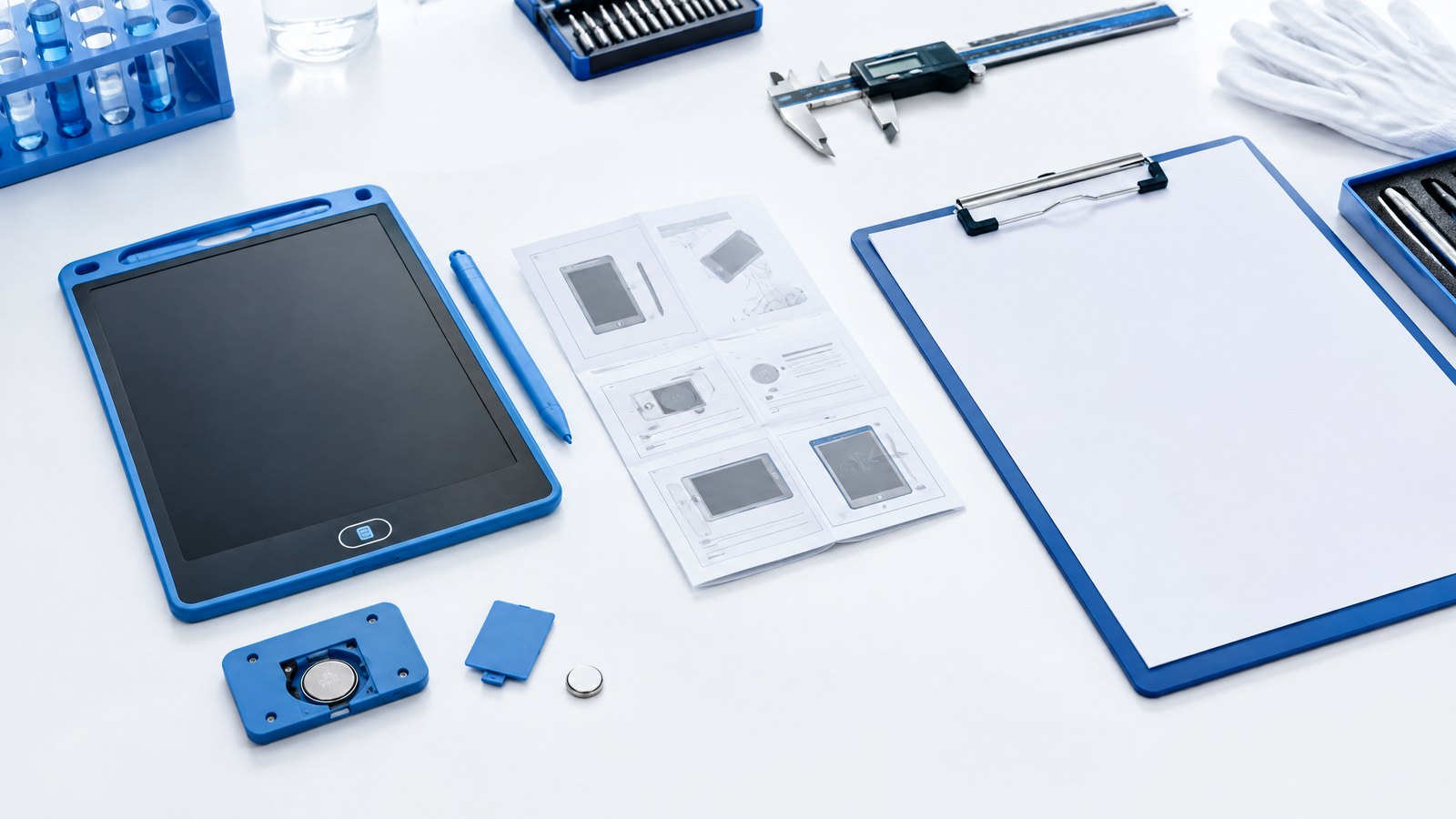
Factory testing should match the final product. A standard white-label order still needs writing, erase/lock, stylus, pack, and carton checks. A private-label project also needs logo, color, accessory, and artwork-revision checks. An ODM project needs the approved functional and physical requirements reflected in the sample and inspection plan.
Shipment inspection checks finished production and packaging against the approved reference; it does not replace product engineering validation or market-specific assessment. The quality-control guide provides a practical starting point for defining the final check.
5. Control changes after approval
The more customization a project has, the more important change control becomes. Ask the supplier to notify the buyer before changing panel, housing, material, stylus, battery/charging arrangement, accessory, print method, packaging, carton count, or label. Decide whether the proposed change requires a new sample, artwork update, market review, or inspection revision.
FAQ
What is a white label LCD writing tablet?
It is generally a standard existing product supplied without a new product-development program. The buyer still needs to confirm the exact final configuration, pack, and market requirements.
What can be customized in a private-label program?
Common controlled options can include logo, color, packaging, insert, stylus marking, cards, pouch, or accessory set. Availability and MOQ depend on the exact model and supplier process.
When is ODM appropriate?
Consider it when the intended product application needs a meaningful design or functional change that a standard platform cannot meet. Define the requirements, prototype path, approval gates, and responsibilities first.
Does private label reduce the need for inspection?
No. Branding, packaging, and accessory changes create additional points to check in factory testing and shipment inspection.
Conclusion
White label, private label, and ODM are different levels of product-control work. Choose the route that matches the application, approve the right reference sample, keep branding and packaging tied to the final SKU, and define testing and inspection before production. This makes the customization useful rather than merely more complicated.
Final CTA
Contact us for a white label, private label, or ODM LCD writing tablet discussion. Include your use case, market, quantity, desired customization, pack, and target schedule.
Turn this sourcing plan into a product brief.
Share your target market, product requirements, packaging preference and estimated volume for a practical OEM / ODM discussion.